


Hiking in Torres del Paine
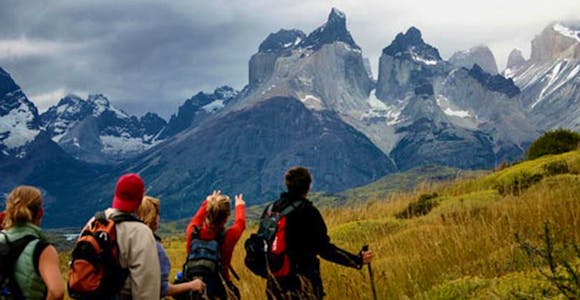
World class hiking and trekking awaits in Torres del Paine National Park. From the iconic W Trek to the park’s most hidden corners, each valley, peak and pass is a treasure.
Discover More
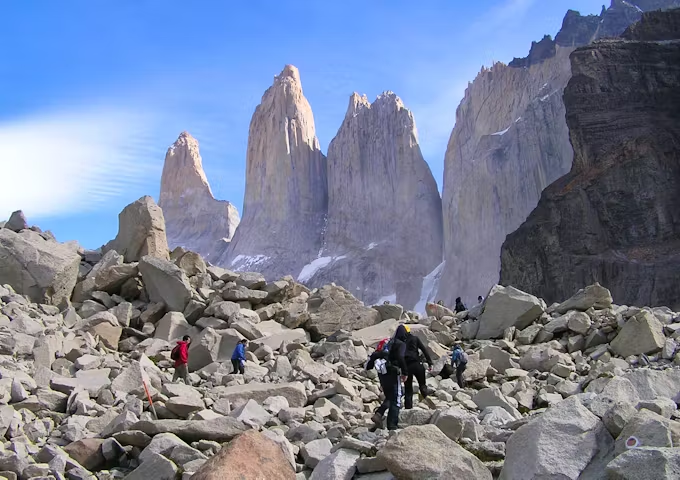
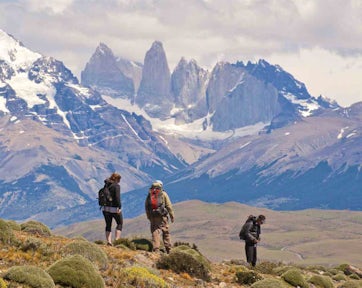
Hike to the Base of the Towers, Torres del Paine
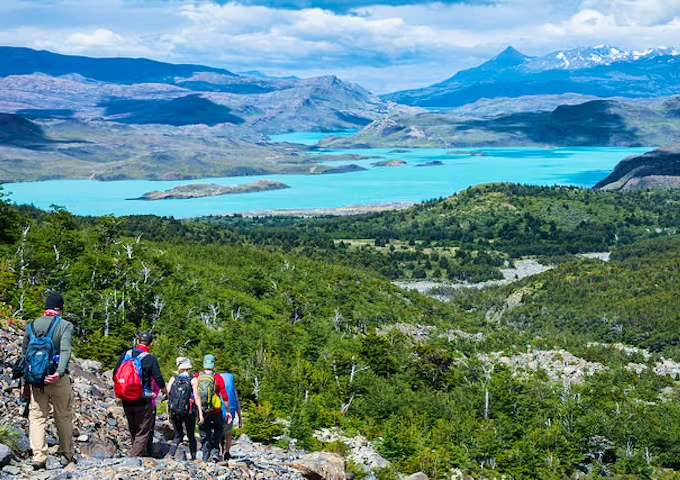
Hiking through the French Valley, Torres del Paine
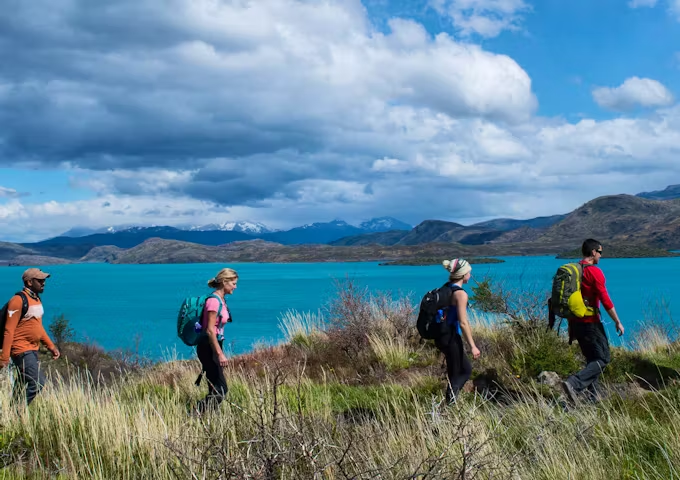
Hiking along Lago Pehoe, Torres del Paine
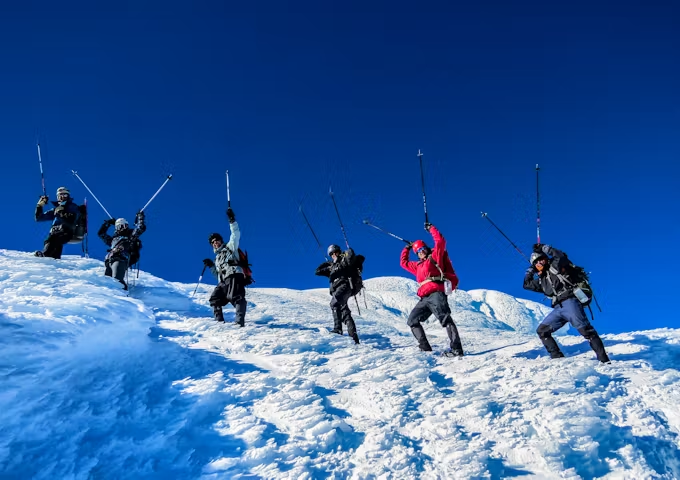
Climbing the Lanin Volcano, Argentinian Lake District

Hiking Hut to Hut in Bariloche, Nahuel Huapi NP
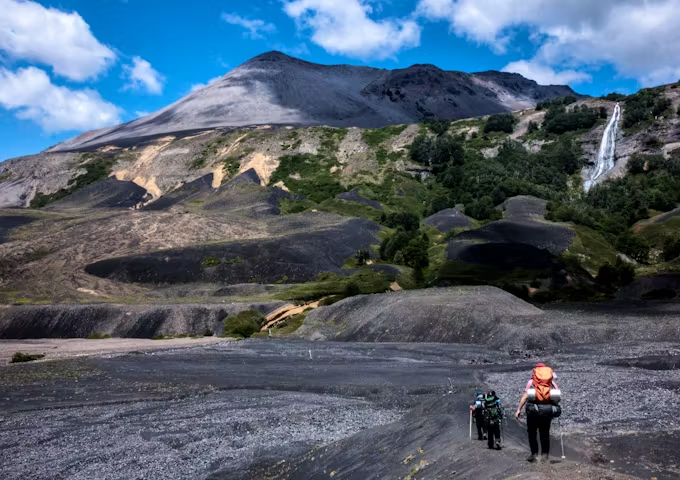
Hiking through a volcanic river bed, Lanin NP
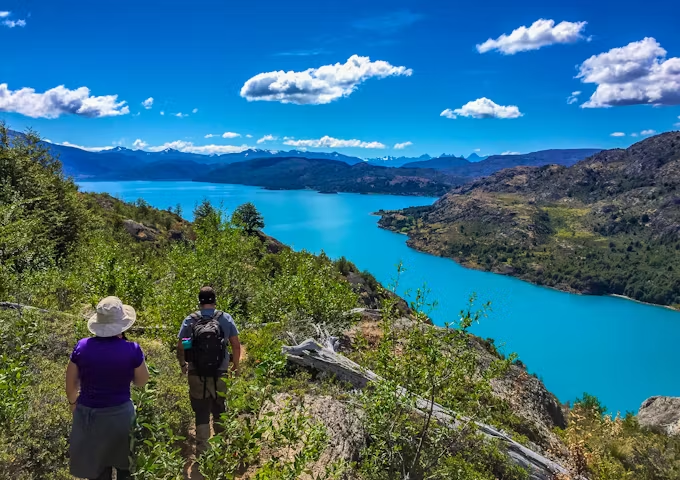
Look out over Lago Bertrand, Aysen Wilderness Trek
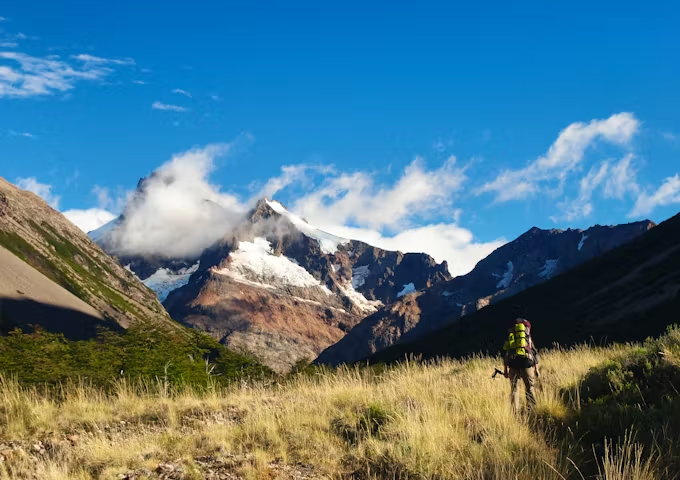
Jeinimeni NP - Trekking through to the Parque Patagonia
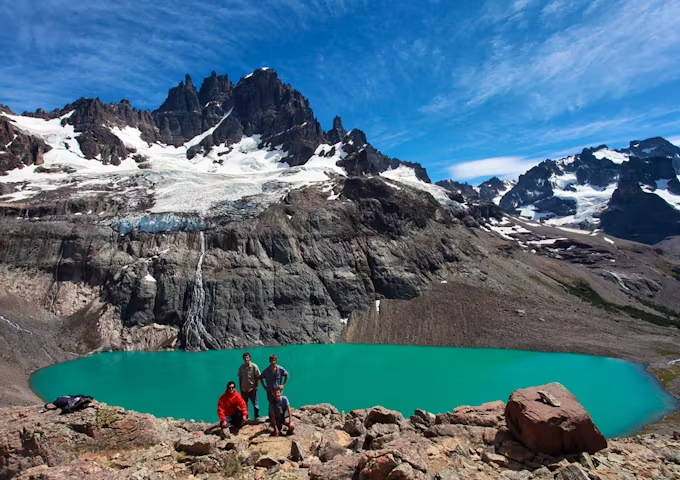
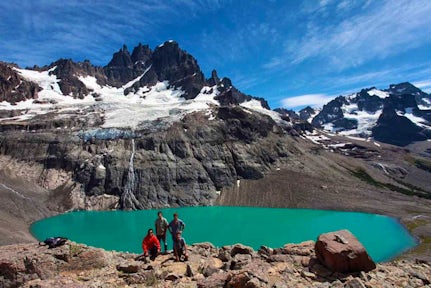
Laguna Verde, Cerro Castillo Reserve, Aysen region
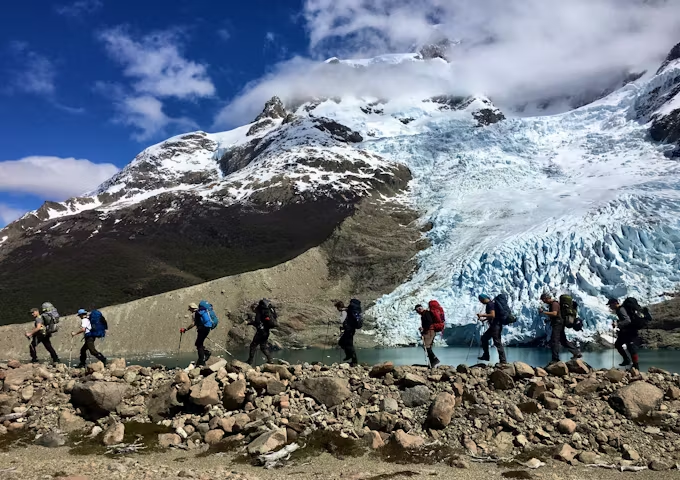
Hiking from Estancia Helsingfors to Estancia Cristina, Los Glacieres NP

Hiking through fossil canyons, Los Glaciares NP
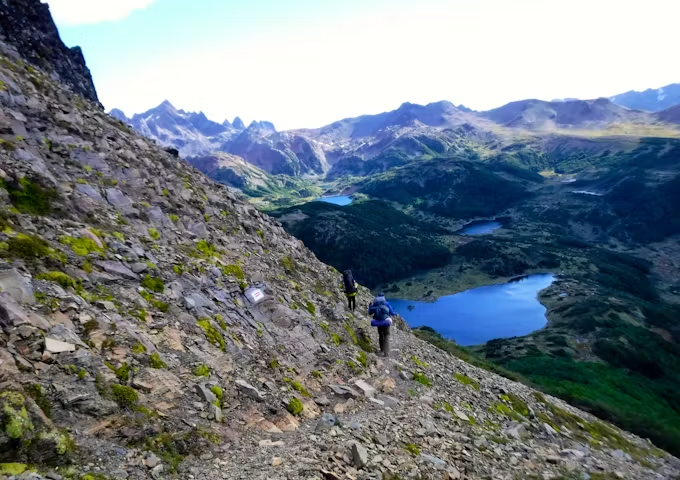
Dientes de Navarino Trail, Tierra del Fuego
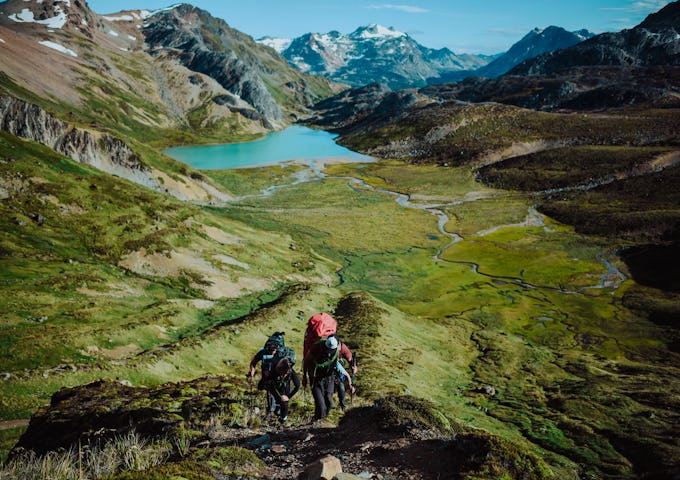
Trekking to Rio Chico
Many Swoop team members are former Patagonia hiking guides, and we've tapped into their years of experience to create a unique collection of escorted small group tours, with carefully tailored itineraries that showcase the best hikes, landscapes and wildlife, with the comfort of having all the arrangements made for you.
These have a maximum of 16 guests for the best group dynamics (or 12 for W Trek trips), accompanied by an English-speaking Tour Leader.
Options include our classic 6-day W Trek departure, and our 10-day Glaciers to Towers Active departure, which includes the W Trek as part of an itinerary including Los Glaciares National Park, with Perito Moreno Glacier and the Laguna de Los Tres hike around Mount FitzRoy.

Torres del Paine's W Trek is world famous, but many people don't know that most of this route can be done in three separate day hikes. Aside from these famous trails, the national park has an intricate network of lesser-known day hikes; some of them are real bushwhackers, whilst others are more gentle, remote routes to see flowers, guanacos and condors.
There are many hotels to base yourself in for your hikes, but we recommend checking the location to ensure that you won't be driving for hours to each trailhead.
There are few towns in the world better located for day hiking than El Chalten. This trekker's paradise is right in the FitzRoy mountain range in Los Glaciares National Park, perched beneath the most famous mountains in the region.
Trails start in the town, so you can walk straight from your hotel onto day hike routes. Hikes range from 4-8 hours, and you can get to the best viewpoints of Cerro Fitz Roy and Cerro Torre, before returning to your hotel. Combine a few days exploring the trails in El Chalten with a day of ice-hiking, and a visit to the Perito Moreno glacier.

Hiking the trail to Laguna Torre in Los Glaciares National Park
The Carretera Austral winds its way down southern Chile connecting over 20 national parks. There's huge variety in the scenery en route, from the lakes and volcanoes of the Chilean Lake District, to the rainforests and glaciers of Aysen, and even the Northern Ice Cap.
To explore on day hikes, choose the area you'd like to explore and base yourself in a hotel in one of the many small towns, or remote luxury lodges with access to the vast surroundings. If you have a car, you can drive from trailhead to trailhead and stay in some beautiful, cosy rustic lodges along the way.
Tierra del Fuego is known for being a pristine wilderness, but it's also wonderfully diverse, a side to the region that's best accessed on a multi-day hike. From boggy pampas to beech forest to rocky ridges above the tree line, it's a challenging but hugely rewarding area to explore. You're likely to be wild camping, and also to have the scenery all to yourself.
Our two favourite hikes are the Montes Martial Circuit, a short three-day trek that loops up behind Ushuaia, and the Sierra Valdivieso trek which takes you right into the heart of Isla Grande before finishing your trip by boat and vehicle.

Patagonia's most famous multi-day treks are the W Trek and the Full Circuit Trek (also known as the 'O' Circuit). They are arguably the best ways to discover the glaciers and towering granite of the national park, but they do tend to get crowded. Campsites and refugios can fill up 6 months in advance.
The W Trek takes 4-5 days and is ideal for fit active walkers who prefer to carry a small 40-litre pack and hike from hut to hut, either with a guide or without. The Full Circuit Trek is quieter but more challenging at 7-10 days, and camping is necessary in the northern sector.
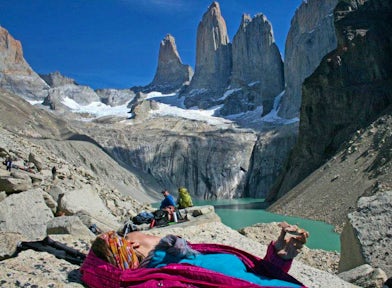
Base of the Towers hike
Camping in the heart of the Fitz Roy range allows you to see much more of the mountains, and to catch the sunrise on Fitz Roy and Cerro Torre peaks.
A classic route lasts two or three days and links Laguna de Los Tres and Laguna Torre into a circuit. Stronger hikers (and lovers of scree) can extend this classic trek by a day, to explore the Electrico Valley, or two days, to cross the Agachonas pass into the Tunel valley and up to the Paso del Viento on the Chalten Mountain Escape Route.
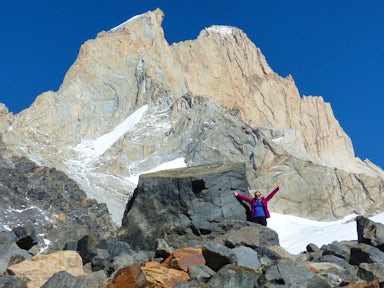
Piedra Negra, Los Glaciares NP
Horse trails cut their way through the Aysen region, a legacy from when the pioneers would make their way between estancias. Our favourite long-distance routes in Aysen include the four-day Jeinimeini to Aviles trail in the new Patagonia Park, where you start in the vibrantly colourful Jeinimeini reserve and pass through beech forests before descending into the botanical Chacabuco valley.
Another is in the Cerro Castillo range, which towers above the Carretera Austral in the Ibanez valley. Experienced trekkers can hike between 3-6 days crossing passes, reaching crystal glacial lakes and marvelling at the rocky outcrops.

Trekking in Patagonia National Park
To anyone who feels a quickening of interest at the word “adventure”, a little visceral sense of excitement, and who is willing to take things as they come, we would say “go to Patagonia, go”.
Travelled: March 2017
Mark - UK
I'm not sure I could have booked all this without you guys; it was a wonderful trip – challenging, adventurous and fun! Each of my three treks was quite different, but all with interesting and well informed guides and outstanding landscapes.
Travelled: February 2016
Louise -
The trek was unbelievable!!! The best hike I've done. We had a world class guide who was very informative and took care to make sure everyone was OK and spent time to really answer people’s questions.
Travelled: November 2015
Sarah -
Many thanks for supervising a terrific and memorable trek. The highlight to me was the hike to the Towers and view there, though the entire 5 day trek was awesome.
Travelled: November 2015
Ted -
Patagonia's national parks and wilderness areas are braided with hiking trails – some well trodden and others only whispered about by pioneering spirits, but all of which offer extraordinary trekking experiences far from the crowds.
Hiking adventures here are about pulling your boots off at the end of the day in a tent pitched deep in a glacial valley or cooled by the winds off the Southern Patagonian Ice Field – tired at the miles you’ve walked but excited for what tomorrow's challenge will bring. This is 'Type 2' fun - the kind of experience that might feel too physically and mentally challenging at the time, but which you'll look back on it with glee and satisfaction.

1. Patagonia Ice Cap: The Patagonian Ice Cap is the third largest mass of ice on the planet and, bordered by Cerro Fitz Roy and the Andes, the landscapes are truly unique. The ascent is a long, challenging day and conditions on the ice cap itself can be very tough indeed, but when the skies are clear you'll have a view like no other.
2. Off-the-beaten-track-routes in Torres del Paine: The main trails have been on the map for decades, and they are well-marked. However, the park is full of mountain passes, valleys and glaciers that no one else knows about, and getting off-the-beaten-track will give you unique views of the Paine Massif.
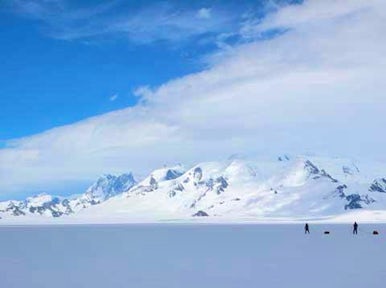
3. Crossing Tierra del Fuego: Tierra del Fuego remains more wild and remote than many of the national parks to the north, making multi-day trekking here a real adventure. Trails barely exist and the terrain is tough whether on the lower ground or up through the mountain passes is a real wilderness experience, the most remote trekking in the Patagonia
For a slightly different option, hop across to Navarino Island to tackle the Dientes de Navarino trek – the southernmost trek in the world, named after the jagged peaks here that resemble a long jaw packed with fang-like teeth.

“ The incredible landscape! We've hiked in the Sierra's, Colorado, Nepal, New Zealand and the Pacific Northwest and nothing compares to the beauty of Fitz Roy & Torres del Paine. ”
Perry Zavala Customer
The famous trails of Torres del Paine and Los Glaciares are well marked and well suited to independent hiking for those with experience. Guides can help you access the more remote and lesser known spots that in many cases are equally dramatic.
Having spoken to over a thousand people who have visited the region, our view is that guides bring so much more than safety and navigation - a richer awareness of the region's wildlife, ecology, history, and cultural identity.
For those on a tight budget, self-guided hikes on the main trails of Torres del Paine and Fitz Roy will be a tremendous experience. Those who are experienced and fiercely independent might do well to mix some guided days with some independent days.
Visit our hiking page for more juicy details on the best hiking in Patagonia.
The main trekking season runs from November to March in most destinations. This is when most of the facilities are open, buses are running and the weather is at its best. If you want to see the spring flowers and more snow on the peaks then November is a beautiful time to go. For the Autumn colours then consider late March and early April. Snow and ice conditions for mountaineering and ice cap expeditions will be best from November to January.
Patagonia is a popular destination, and especially so mid-December to mid-January, so if you want to hike the most famous routes then try to visit outside the busiest period, or consider the more off-the-beaten-track routes at this time of the year.
It is possible to trek all year round? Winter in Patagonia (May - August) offers less daylight and colder temperatures. In the Chilean Lake District and Tierra del Fuego there's a lot of rain however in the south and east of Patagonia there's generally less rain and visibility can be better than the peak of summer.
Head over to our when to visit page for more information.
By leaping on a horse or into a kayak you can get truly off the beaten track.
If you are really intrepid you might consider sailing through the Patagonian Fjords and using the boat to access some fantastic remote hiking.
The only toilets are at the refugios and campsites so you need to be prepared to go for wild toilet stops.
The highest peak in Patagonia is 4058m (13,314ft) high and most of the trails don't go higher than 1,500m (4,920ft) so you don't need to acclimatise when you go hiking in Patagonia.
Typically a guided, fully supported trek (with enough porter support that you just carry your own gear including sleeping bag and sleeping mat or hut accommodation) costs US$300-350 per person per day. Self guided treks will be cheaper and hiking from a luxury hotel will be 2 or 3 times more expensive. There are regional differences in costs so if you find Torres del Paine very expensive then have a look at Tierra del Fuego or Aysen.
World class hiking and trekking awaits in Torres del Paine National Park. From the iconic W Trek to the park’s most hidden corners, each valley, peak and pass is a treasure.
Discover More
Argentina's Los Glaciares is full of jagged granite mountains, electric-blue lakes and sparkling glaciers: perfect for anything from short day hikes to epic wilderness treks.
Discover More
Chile’s Aysen region is full of wild mountains, glacial lakes and lush forest, with epic trails waiting to be discovered by the pioneering hiker.
Discover More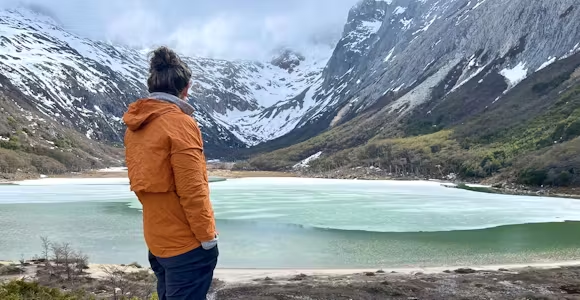
Tierra del Fuego is a land of mountains, lakes and glaciers that are perfect for day hikes, from a base in Ushuaia or Navarino Island.
Discover More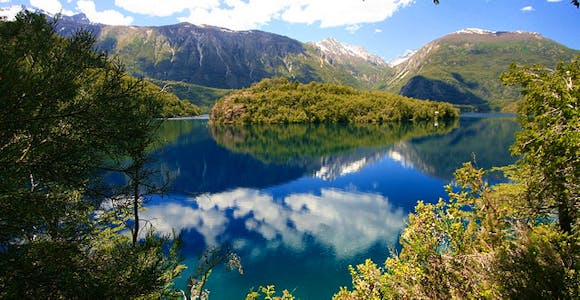
With seven national parks and an abundance of volcanoes, ancient forest trails and lake views to enjoy, this region of Chile is perfect hiking country.
Discover More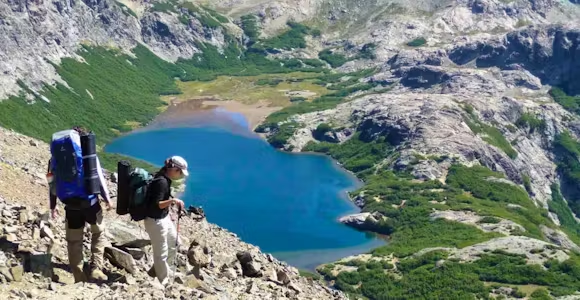
From the ice-capped peak of the staggering Lanín Volcano to the gentle forested trails around glistening lakes, the Argentinian Lake District offers hiking for all.
Discover MorePatagonia is shaped by some of the world's greatest geographical influences. The glacier fields, mountains, volcanoes, lakes and fjords make for a vast playground for a range of different adventure activities.
We'll spend some time listening to your aspirations, then discuss the kind of experience that might suit you.
Next we'll discuss the options, shortlist the best trips for you and present you our impartial recommendations.
We'll place a 24 hour hold on your preferred option - without obligation - whilst we talk through the details.
Do you want to hike the iconic treks in both Torres del Paine and Los Glaciares National Park?
Look no further than our Fitz Roy and Paine Hiking Tour...